My top 2025 Reads!

It is no secret that I love to read. I was looking back at my Goodreads list and reflecting on what I read this year. I decided to share some of the favorite books I read this year. Some were released in 2025, and some were not. There is no ranking on this list, and they are in a random order:
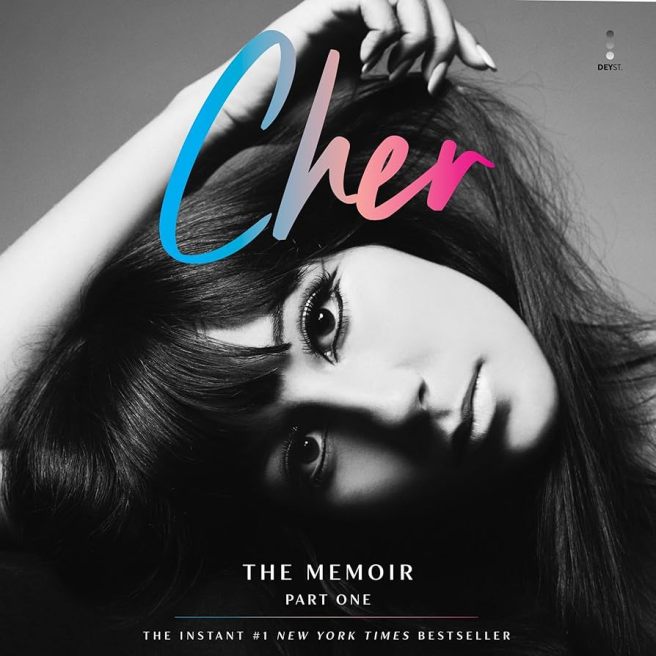
Cher: The Memoir, Part One by Cher. I decided to get the audiobook because Cher recorded it with additional help from Stephanie J. Block. And as I listened to this, it made me appreciate Cher’s perseverance even more, because there were many people who took advantage of her career, yet she still fought hard and, in the end, won.

The link to buy the book version is here:
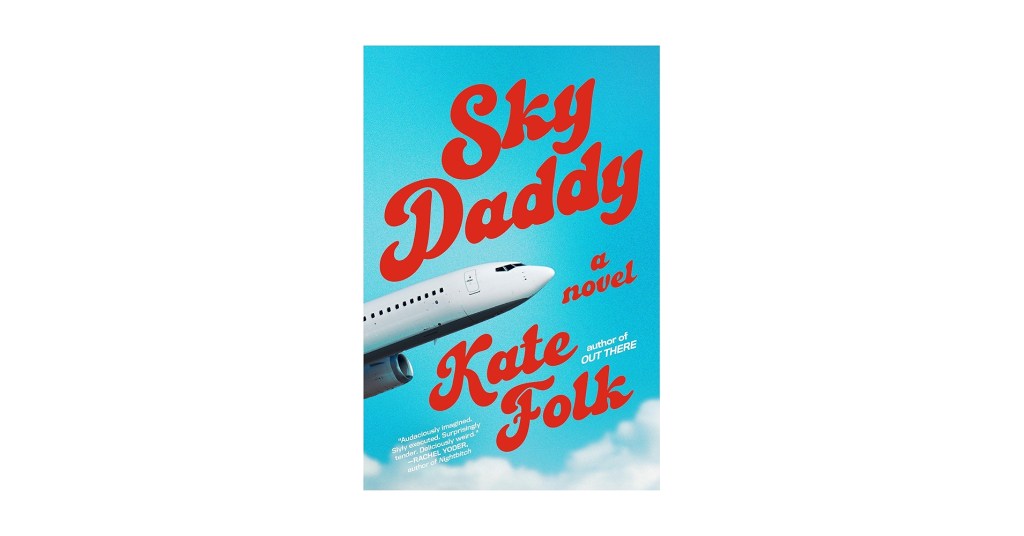
Sky Daddy by Kate Folk. Once you read this book, it is hard to forget about it. This was an interesting read to say the least.

The link to buy is here: https://politics-prose.com/search?q=Sky%20Daddy
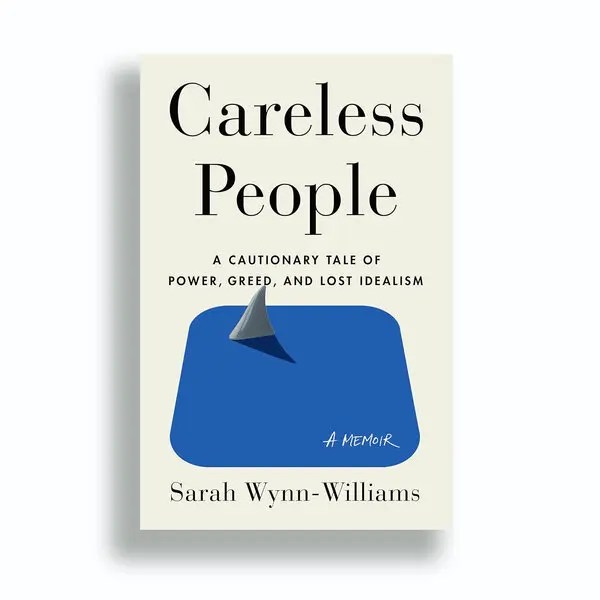
Careless People: A Story of where I used to work by Sarah-Wynn Williams. Sarah Wynn-Williams used to work at Facebook as the Director of Public Policy, and she shares her firsthand experience working there. And still proves that your job isn’t your whole life and being.

The Link to buy is here: https://bookoutlet.com/book/careless-people-a-cautionary-tale-of-power-greed-and-lost-idealism/wynn-williams-sarah/9781250391230B?utm_source=Googleads&utm_medium=cpc&utm_campaign=Clue&gad_source=4
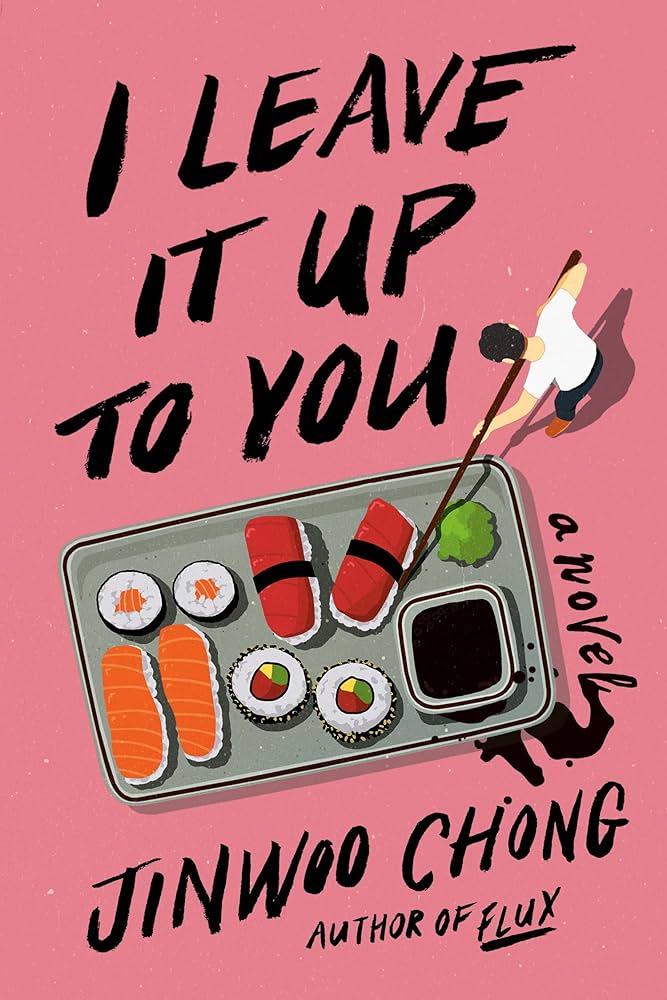
I Leave It Up to You by JinWoo Chong. The plot centers on a man named Jack who wakes from a coma and realizes his old life has vanished, and now he has to rely on his family and reconnect with them to find himself and get a new start.

The link to buy is here: https://politics-prose.com/search?q=I%20leave%20it%20up%20to%20you
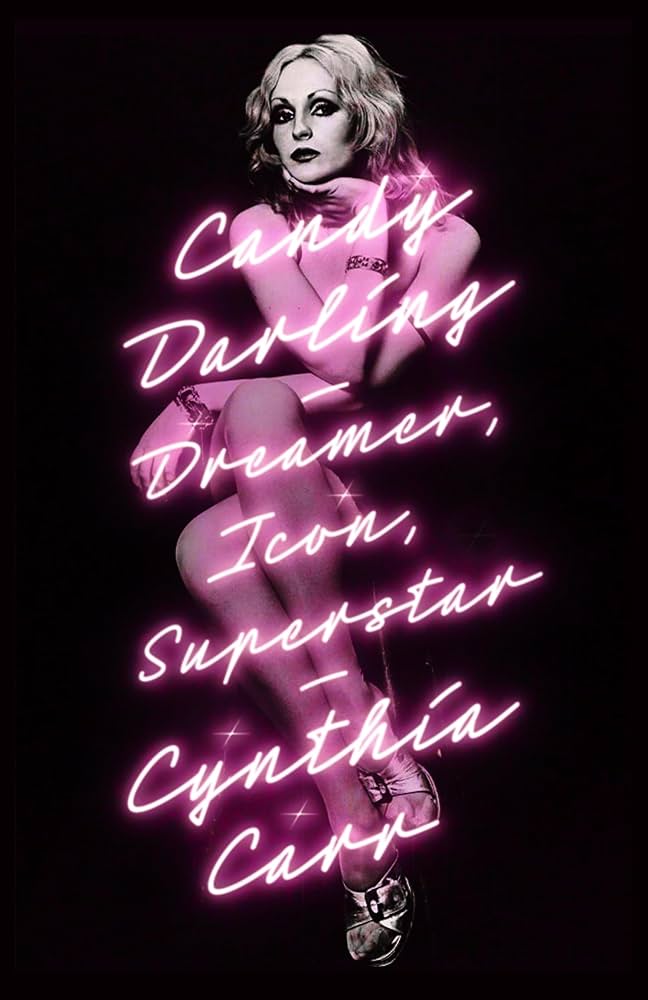
Candy Darling: Dreamer, Icon, Superstar by Cynthia Carr. This book dives into the life of Candy Darling and her desire to emulate silver-screen stars, such as Kim Novak. However, she became an icon in her own right.

The link to buy is here: https://bookoutlet.com/book/candy-darling-dreamer-icon-superstar/carr-cynthia/9781250066350B?utm_source=Googleads&utm_medium=cpc&utm_campaign=Clue&gad_source=1

Current Read: The Gods of New York: Egotists, Idealists, opportunists and the Birth of the Modern City: 1986-1990 by Jonathan Mahler

I am about 20 pages in, and it is very interesting so far.

My goal is to read a book per month, and so far I am only a book behind. However, with the start of the new year, it means a fresh start.

What books are on your to-read list? Comment below!

Until next year!

Contributor’s Spotlight from @Oceanna: ConFive Women Who Changed Toys ThroughArt

This week’s contributor spotlight is from the amazing Oceanna! (Instagram: @oceanna )

“When you think about toys, it can be easy to just picture some cheap plastic or a childhood trip
to Toys R Us…but behind some of the most loved toys in history is an artist whose work carried
real weight. Their styles influenced entire eras of toy design, from soft-sculpture dolls to
collectible characters to fashion-forward icons.
Here are five women whose art transformed toys.

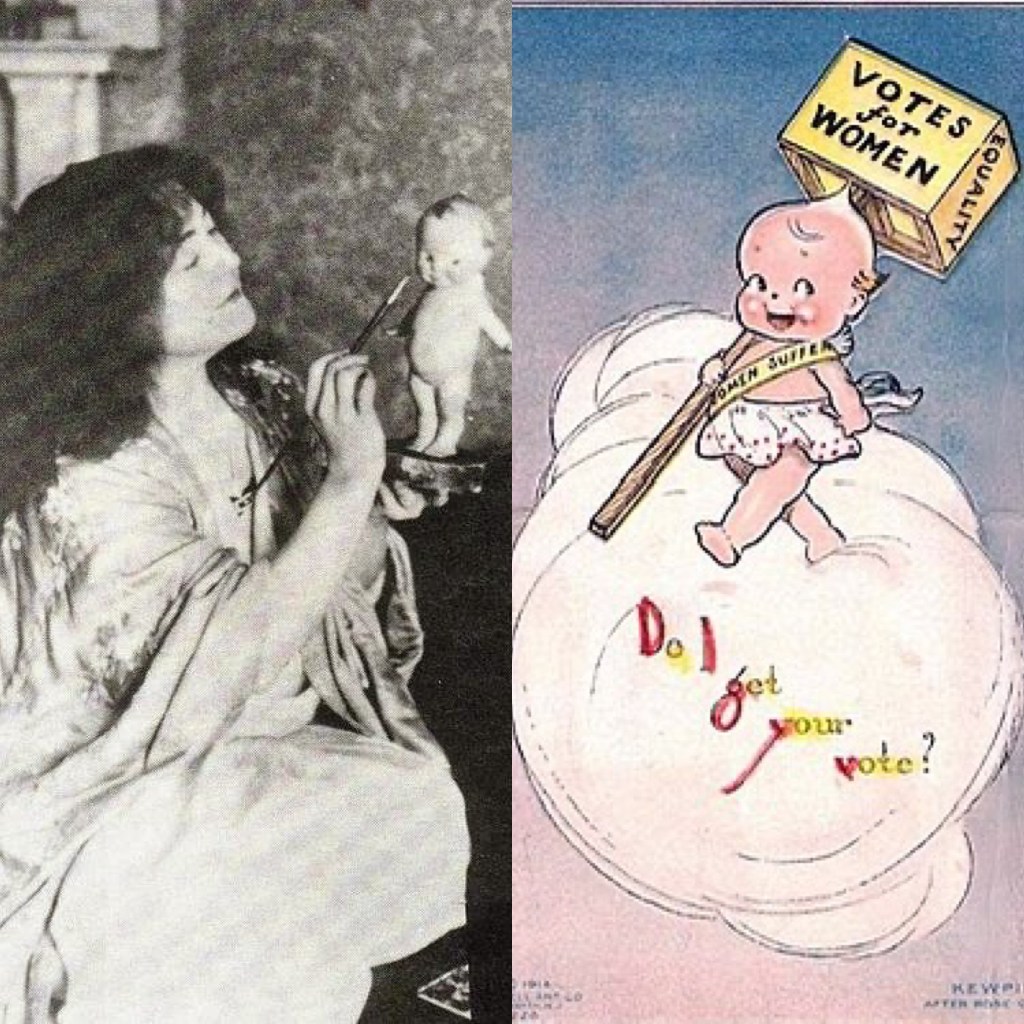
  1. Rose O’Neill

Illustrator and cartoonist Rose O’Neill created the Kewpies in 1909, first appearing in magazine
pages before leaping into postcards, books, and eventually some of the earliest mass-produced
character dolls. Before Mickey Mouse or Hello Kitty ever existed, O’Neill gave the world an
illustrated character who could live across multiple mediums.
O’Neill used them in suffrage imagery to blend sweetness with social messaging. As the
highest-paid female illustrator of her time, she paved the way for character licensing and
collectible design. If you’ve ever collected a vinyl figure, mascot toy, or blind-box character,
you’re living in the world O’Neill helped create.

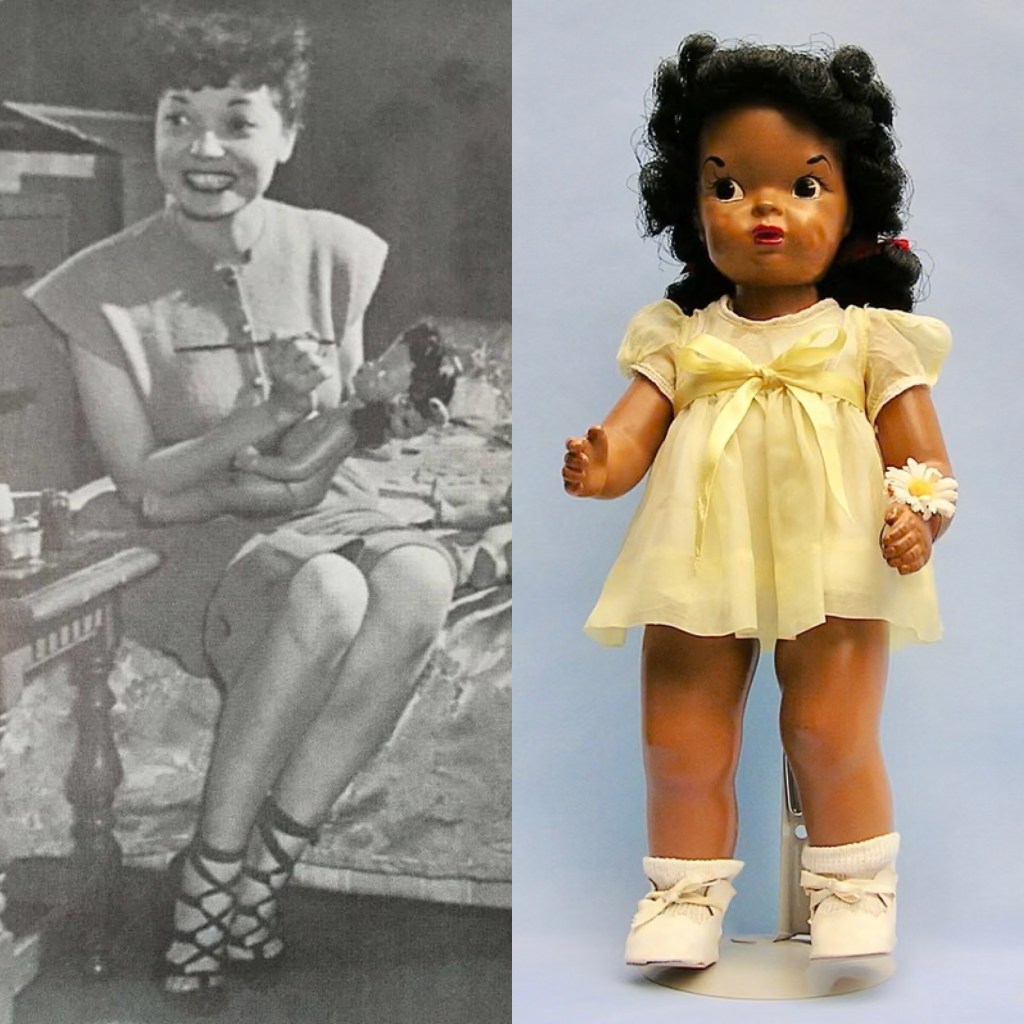
2. Jackie Ormes:

Jackie Ormes, the first Black woman cartoonist to be nationally syndicated in the United States,
brought style and social commentary to her groundbreaking comic strips in the ‘40s and ’50s.
Her strip Patty Jo ‘n’ Ginger for the Pittsburgh Courier led to Ormes’s partnering with the Terri
Lee Company to release the Patty-Jo doll, a stylish Black fashion doll in an era when most
Black dolls were harmful caricatures.

Ormes used both her comics and her doll designs to challenge stereotypes and broaden what
representation in toys could look like. Her art carved space for Black children to see themselves
reflected with joy and sophistication.

3. Margaret Evans Price:

In the early 1930s, children’s book illustrator Margaret Evans Price co-founded Fisher-Price and
became the company’s first art director. Her gentle, storybook-inspired drawings set the tone for
the brand’s earliest wooden pull toys, many of which featured her characters and fairytale
aesthetic.
Fisher-Price’s foundational principles centered on intrinsic play value, ingenuity, strong
construction, good value for the money, and action. The idea that early childhood toys should
feel warm and whimsical traces straight back to Price’s illustrations. Her influence still echoes in
Fisher-Price design language today, making her one of the quiet architects of American
childhood.

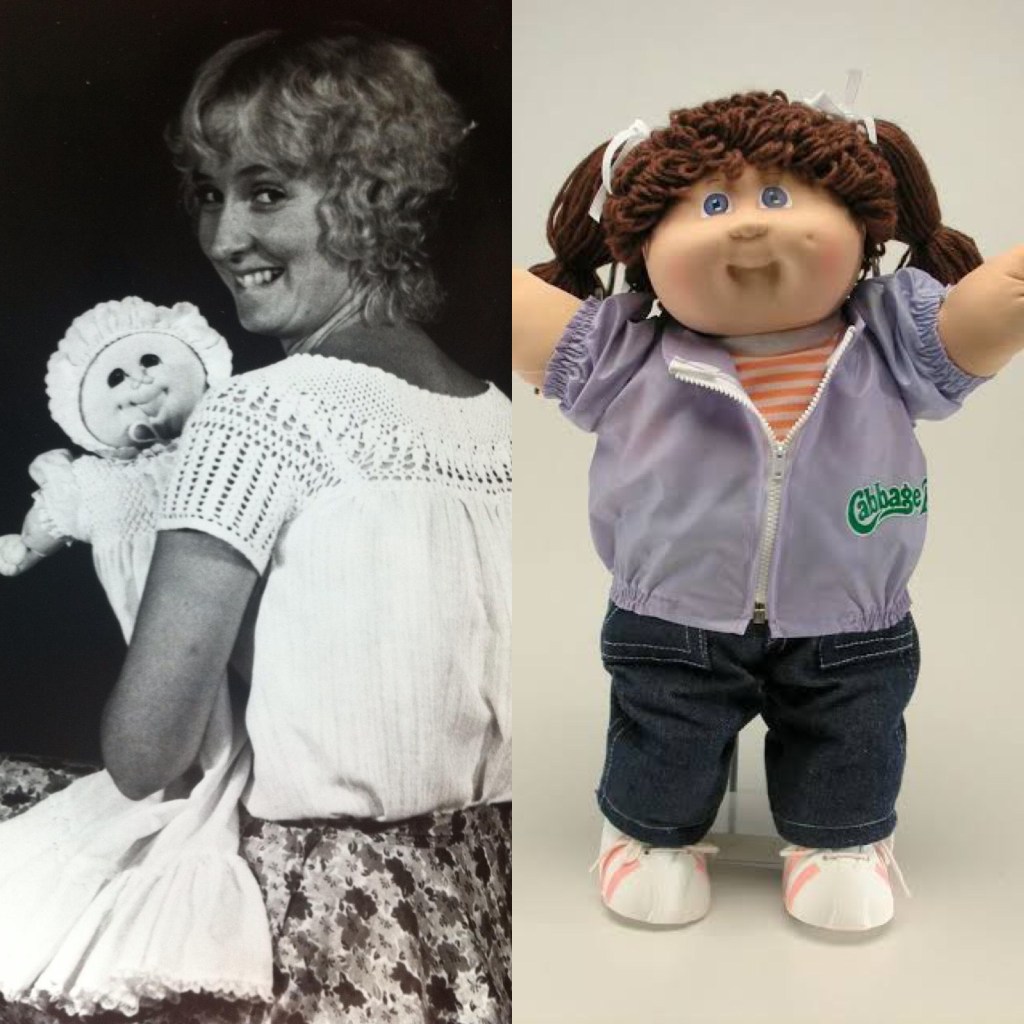
4. Martha Nelson Thomas:

Martha Nelson Thomas was a Kentucky folk artist who began hand-sculpting soft “Doll Babies”
in the 1970s. Each doll was lovingly stitched and came with its own adoption certificate (sound
familiar?). Her work emphasized nurturing and emotional storytelling in a way mass-market toys
hadn’t yet embraced.
Xavier Roberts later commercialized the concept without her consent (I’ll be more blunt…he
stole it). Cabbage Patch Kids, the soft-sculpture babies craze of the 1980s owes everything to
Thomas’s warm, handmade vision. She introduced a new emotional blueprint for play, proving
that designing heart‐first can spark a toy phenomenon. Cabbage Patch Kids has gone on to sell
more than 130 million dolls in the 20th century, becoming one of the most successful toy lines of
all time.

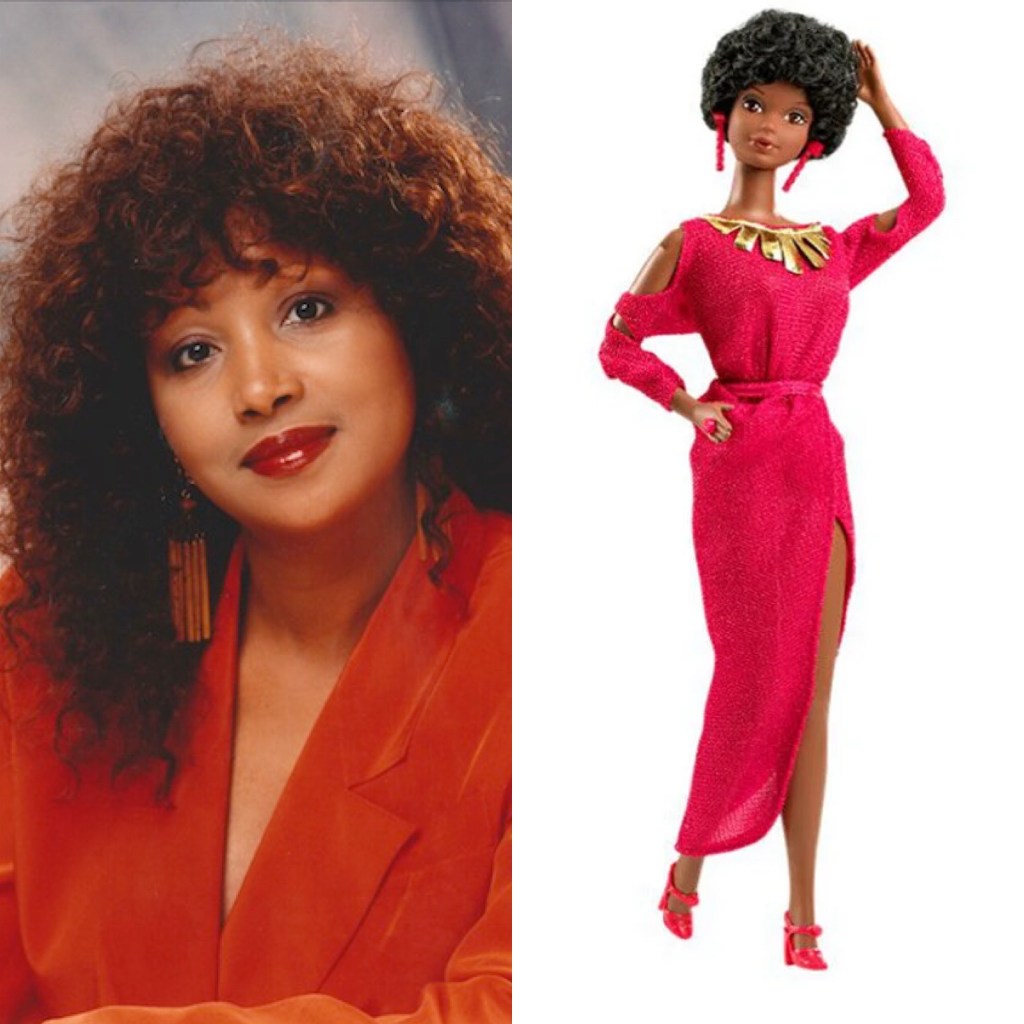
5. Kitty Black Perkins:

When Kitty Black Perkins joined Mattel in the 1970s, Barbie’s world lacked genuine
representation. As one of Mattel’s first Black fashion designers (and eventually Chief Designer
of Fashions & Collectibles) she changed that forever. Her most famous creation was the first
Black Barbie in 1980. Not a Black doll in Barbie’s universe, she was Black Barbie and featured
her own unique sculpt, natural hair, red gown, and an aesthetic rooted in Black beauty and
glamour.
Beyond that one historic doll, Perkins reshaped Barbie’s entire fashion direction during the late
’70s and ’80s. The sharp suits, metallic fabrics, dramatic silhouettes, and bold glam that defined
Barbie’s golden era? Kitty Black Perkins expanded Barbie’s universe and helped generations of
kids see a fuller, more exciting world reflected back at them.

These women all shared a belief that art could shape how children imagine, explore, and
understand the world. Their creative fingerprints are everywhere in modern play, from the dolls
kids cradle to the characters they collect.

If you’re interested in learning more, I’ve created videos on these women (and many other toy
stories!) on my social pages.

Instagram: @oceanna

TikTok: @oceanna

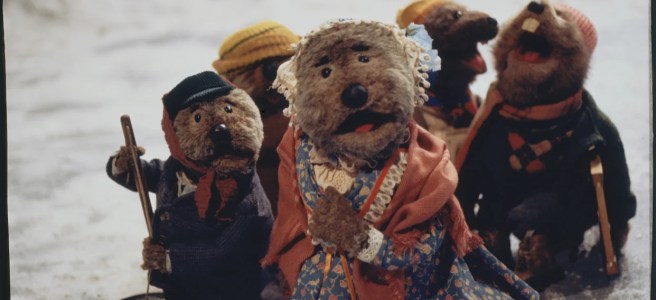
Emmet Otter: More than just a Christmas special!

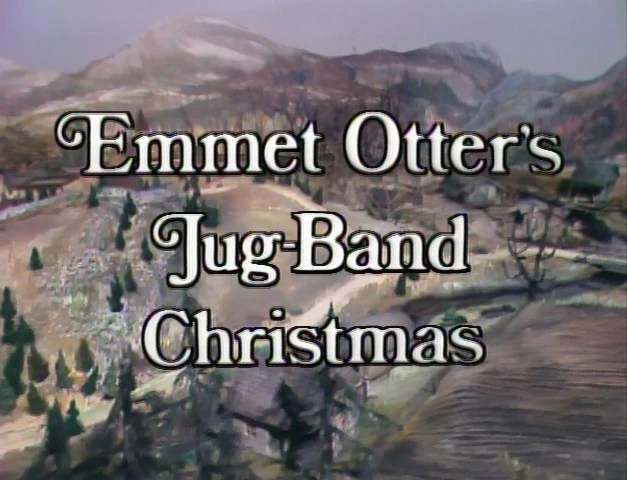
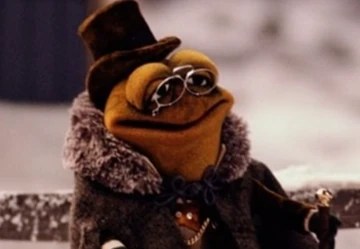
I came to the game kind of late when I first saw Emmet Otter’s Jug-Band Christmas (1977).

I am a big fan of Paul Williams, who composed and wrote so many of my favorite soundtracks. Such as the soundtracks for The Phantom of the Paradise and The Muppet Movies, and countless others. So when I was looking at this Internet Movie Database profile. I did not recognize the title “Emmet Otter’s Jug Band Christmas.

So, out of curiosity, I found a version of the title on YouTube.

I watched it and enjoyed it so much that I watched it twice more! What I really loved about this Christmas special was the songs and the continuous message that, even when times might look like they are in despair, you gotta use your brain and your know-how to succeed. Also, it does not hurt that Kermit the frog makes a special appearance during the beginning and end of the special!

This special is based on a book of the same title by Russell Hoban, published in 1971. The plot of the book centers around Emmett Otter and his mother, Ma.

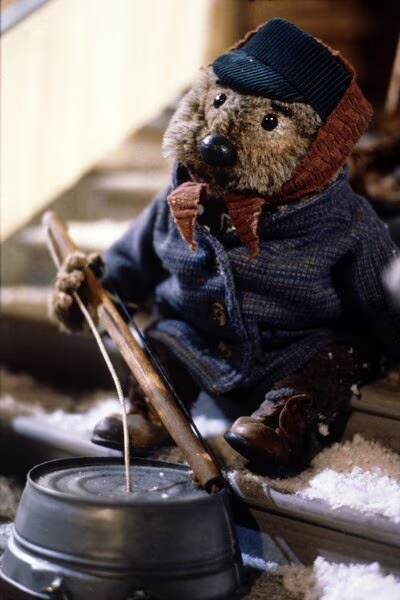
They have both recently suffered a loss in their family. Pa Otter passed away, and Emmett and Ma try their best to make ends meet. Ma washes clothes and irons clothes for the rich set of townspeople of Frogtown Hollow. While Emmett does odd handyman jobs with his Dad’s toolbox, which is filled with tools. However, when it comes time for the richer set of people to make good and pay Emmett and Ma, they are often met with criticism and delayed payment. If they get paid at all.

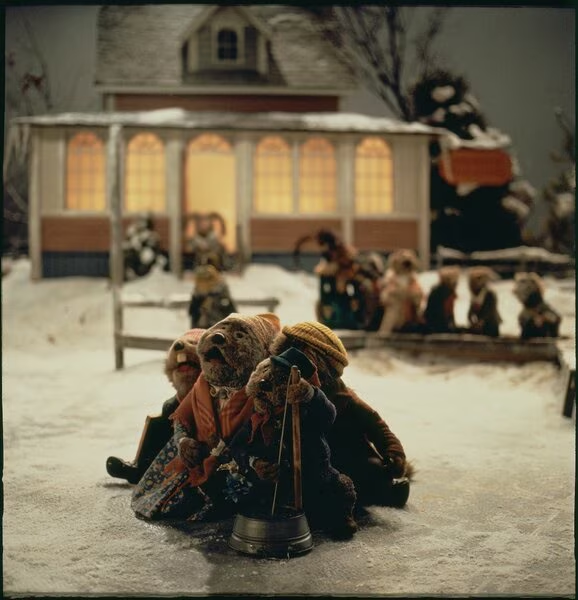
With Christmas fast approaching, both Emmett and Ma are informed of a contest offering a monetary prize. Both of them entered separately without knowing that they did, because they wanted to give something that the other verbally expressed. Emmett really wanted a guitar, while Ma wanted a piano. However, they are both faced with a difficult decision because, in order to participate in the contest, both of them have to sacrifice a heavily used item that they both used in order to work and make money. Emmett is convinced by his friends to form a band, and he has to make a hole in the washing bin that Ma used to make her living. Ma has to sell Emmett’s toolbox to get the money to make a costume she needs to perform in the contest.

In 1977, Jim Henson came out with the one-hour Christmas special that was created in Toronto, Canada. It first made its debut on December 4, 1977, on CBC, and it did not make its US debut until December 17, 1978, on HBO, which was an up-and-coming TV channel at the time.

The Christmas special has the same bones as the book, though it includes the amazing Riverbottom Gang, whose band is called the Nightmare. Who was a last-minute submission in the contest and ended up taking the prize from Emmett and his Jug Band.

However, not all is lost for Emmett, his jug band, and Ma! After the contest, Emmett, his band, and Ma realized the sacrifices they had made for each other to enter it. Ma came up with the idea of combining their two songs together, and they decided to try it out while walking home.

Their singing catches the attention of Doc Bullfrog, who was one of the contest judges walking, and is the owner of one of the restaurants in town.

And he decides to hire Emmett, the jug band, and Ma to sing at his restaurant regularly as the restaurant’s entire staff. So no more washing and ironing clothes for Ma, nor no more doing odd handyman jobs for Emmett. They are all destined to work in their passions all along!

What Christmas specials are your yearly tradition? Comment below!

Source: YouTube, Wikipedia, MuppetWiki.

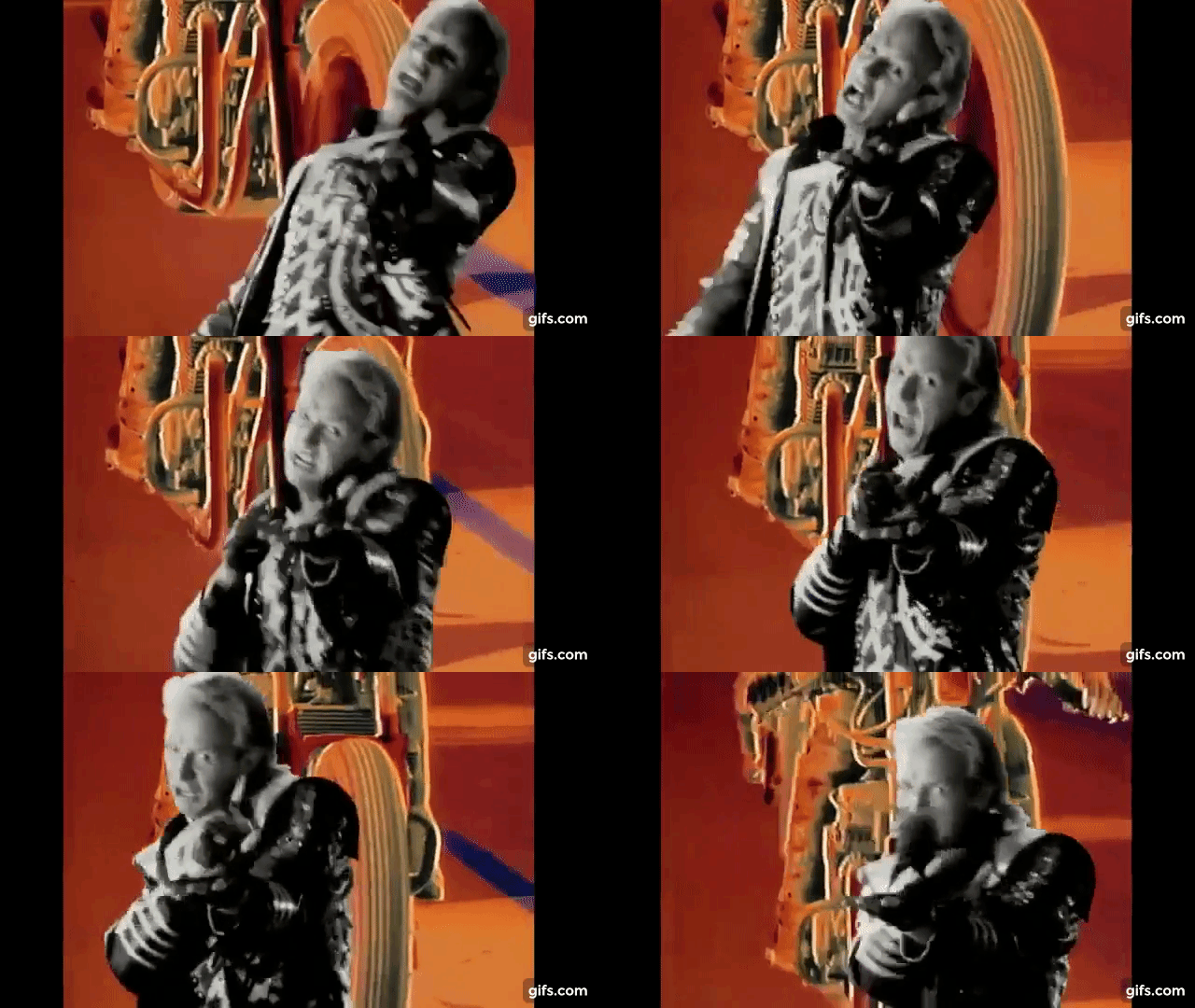
Song of the Day: Turbo Lover By Judas Priest

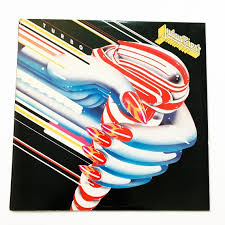
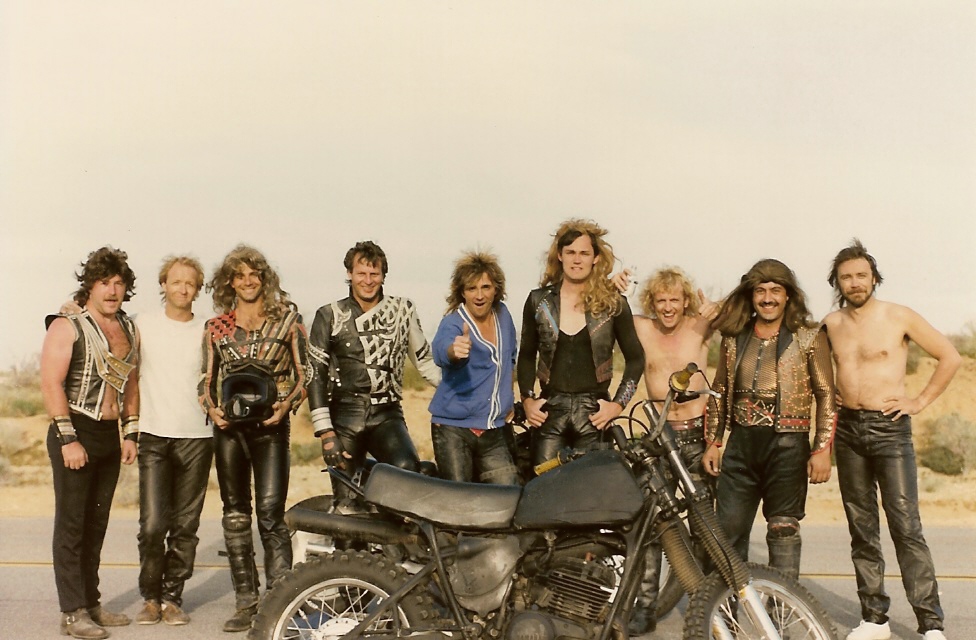
Today’s song of the day is “Turbo Lover” by Judas Priest (1986). This song is from their 1986 album called Turbo.

This is one of my favorite cover album arts from Doug Johnson. He also did a lot of their album covers, but this one stands out to me the most. Turbo was Judas Priest’s tenth album and was released on April 7, 1986, by Columbia Records.

The lyrics to Turbo Lover have themes of sex, auto-eroticism, leather, fun, and escaping on your motorcycle on the open road to an unknown destination. The writers of this song are Rob Halford, K.K. Downing, and Glenn Tipton.

This song is deemed a favorite on the Turbo record, and I agree. This song, along with the music video, makes you want to put it on repeat.

What song and band should I write about next? Comment below!

Source:

Wikipedia

Movie of the Day: Black Christmas (1974)

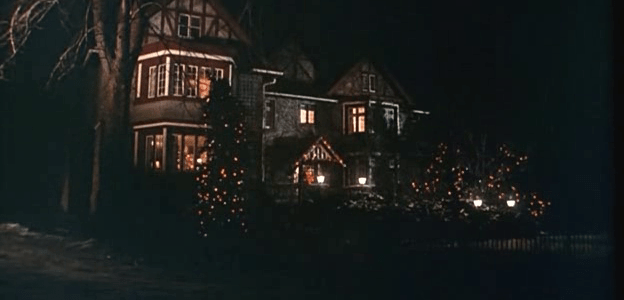
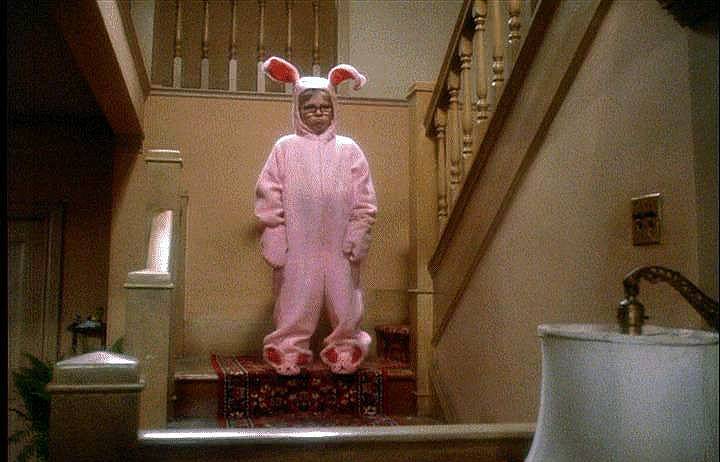
Black Christmas is a movie I watch every Christmas season because I think the holiday season can be scarier than Halloween. This movie was directed by Bob Clark, who also helmed the family-centric Christmas movie A Christmas Story.

Bob Clark has a very interesting film history to his name. He was not a one specific genre kind of director. Rather, he enjoys directing across different genres, and if you look up his filmography, you will see what I mean.

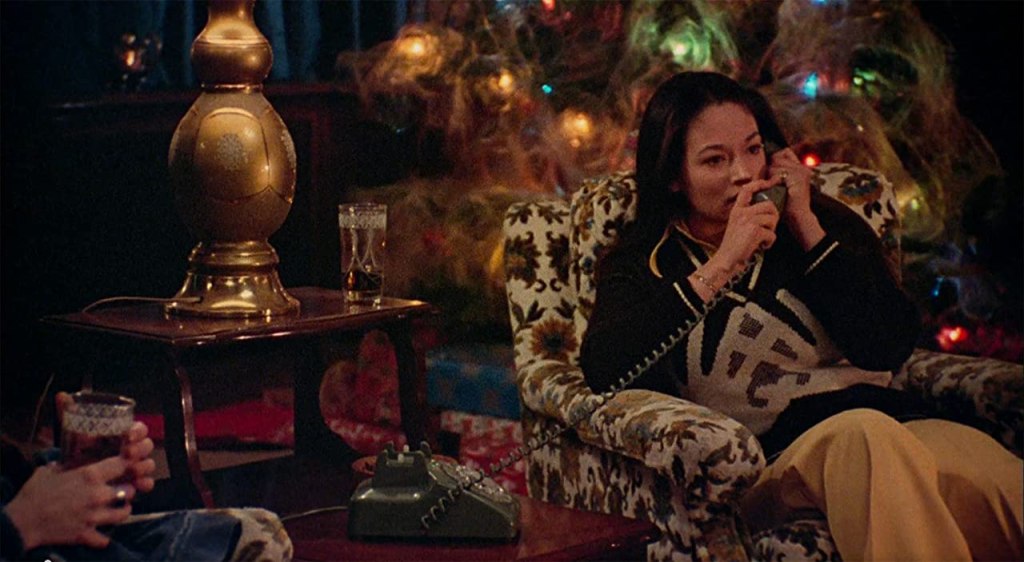
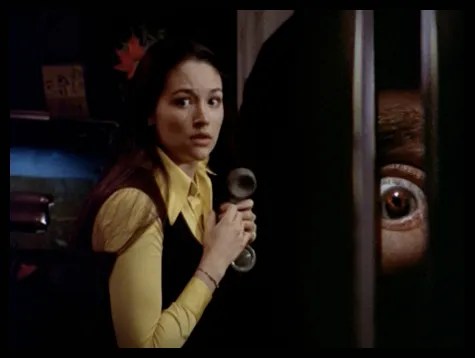
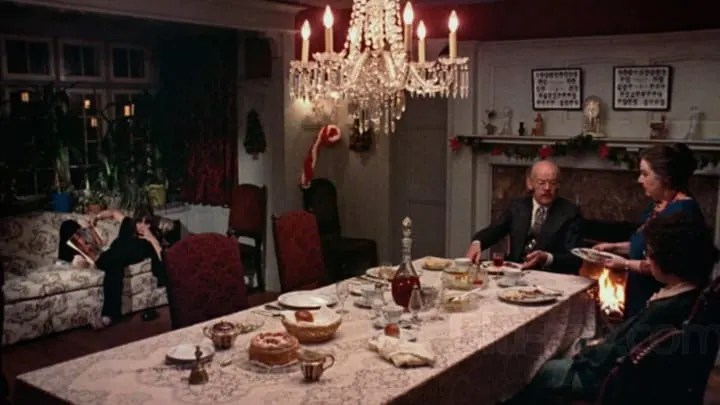
Black Christmas starred Olivia Hussey, Margot Kidder, and John Saxon. It is about a sorority house receiving these obscene and creepy prank calls that lead to a killer who starts killing the ladies in the house.

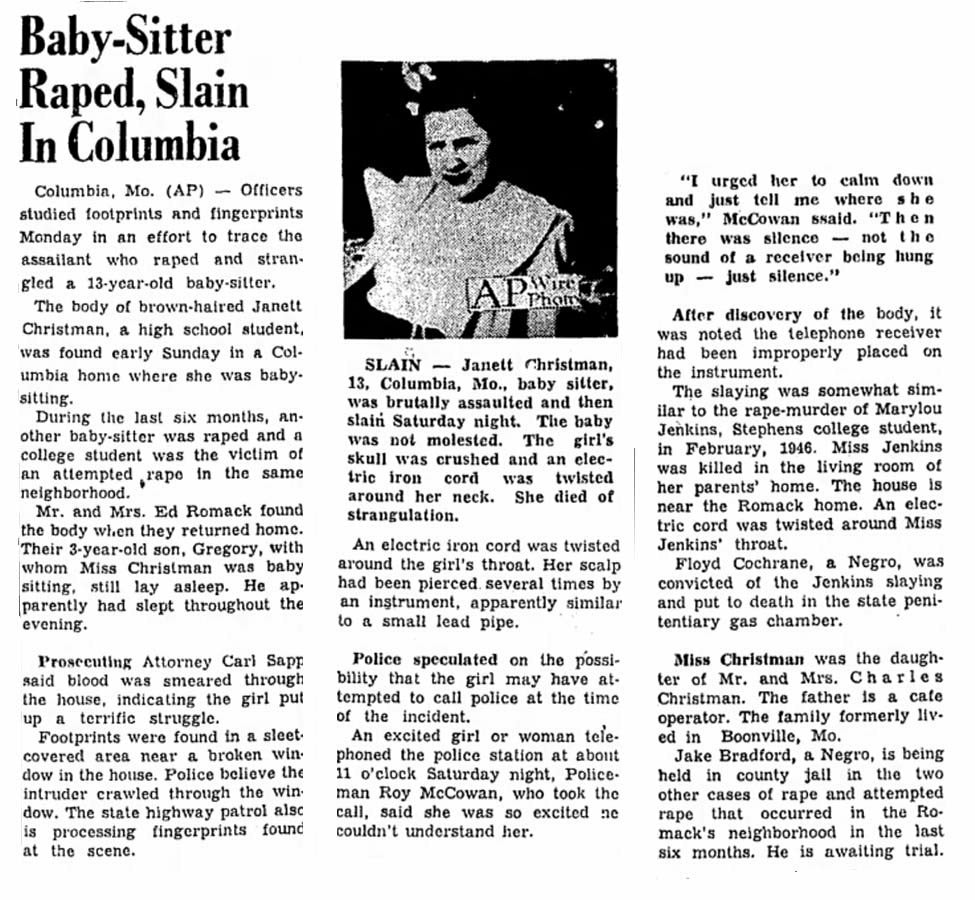
Roy Moore, who wrote the script, incorporated some real-life situations and mixed them with the urban legend of the babysitter. I first heard about this urban legend when I was a child. I later found out that it is an older urban legend that started around the 1960s. (Source: Wikipedia) It is a cautionary tale about a girl who goes to babysit a neighbor’s kid, a friend’s parents’ kid, or a teacher’s kid. It is the first time they are babysitting and left alone in a stranger’s house. Later in the evening, the babysitter starts getting weird, creepy phone calls asking her about the children she is taking care of. She calls the police, only to be told that the bizarre phone calls are coming from inside the house. The end result is that when the babysitter checks on the children, the children have met a fatal demise, and the caller has left the house. Although this urband legend does have some truth behind it. It is loosely based on the unsolved murder of Jannett Christman, who was found dead in the house that she was babysitting at.

Although there was some discussion of who committed the murder, no one was ever charged with the crime.

The script was also inspired by various murders around the Westmount neighbourhood in Montreal, Quebec, during the Holiday Season. And was also inspired by the crime and killing spree of serial killers William Heirens and Edmund Kemper. Roy More’s script was initially titled “Stop Me,” but personally, I am glad they changed it to “Black Christmas” instead.

Some Fun Facts about the movie: The snow about the sorority house was not real and was foam that was given by the local fire department.

Despite it being a horror movie, Olivia Hussey said it was a lighthearted time between takes.

There is a novelization based on this movie that explains the characters more and fleshes out their actions.

Most of the actors’ clothes in the film are theirs because the movie had a limited budget.

The main reason Keir Dullea decided to make the movie was that he could visit his parents, who lived close to the location.

Better Davis was offered the role of Mrs. Mac but said no.

Rob Zombie’s favorite movie.

Source: Internet Movie Database, Wikipedia, and YouTube.