This week’s contributor spotlight is from the amazing Oceanna! (Instagram: @oceanna )
“When you think about toys, it can be easy to just picture some cheap plastic or a childhood trip
to Toys R Us…but behind some of the most loved toys in history is an artist whose work carried
real weight. Their styles influenced entire eras of toy design, from soft-sculpture dolls to
collectible characters to fashion-forward icons.
Here are five women whose art transformed toys.
- Rose O’Neill
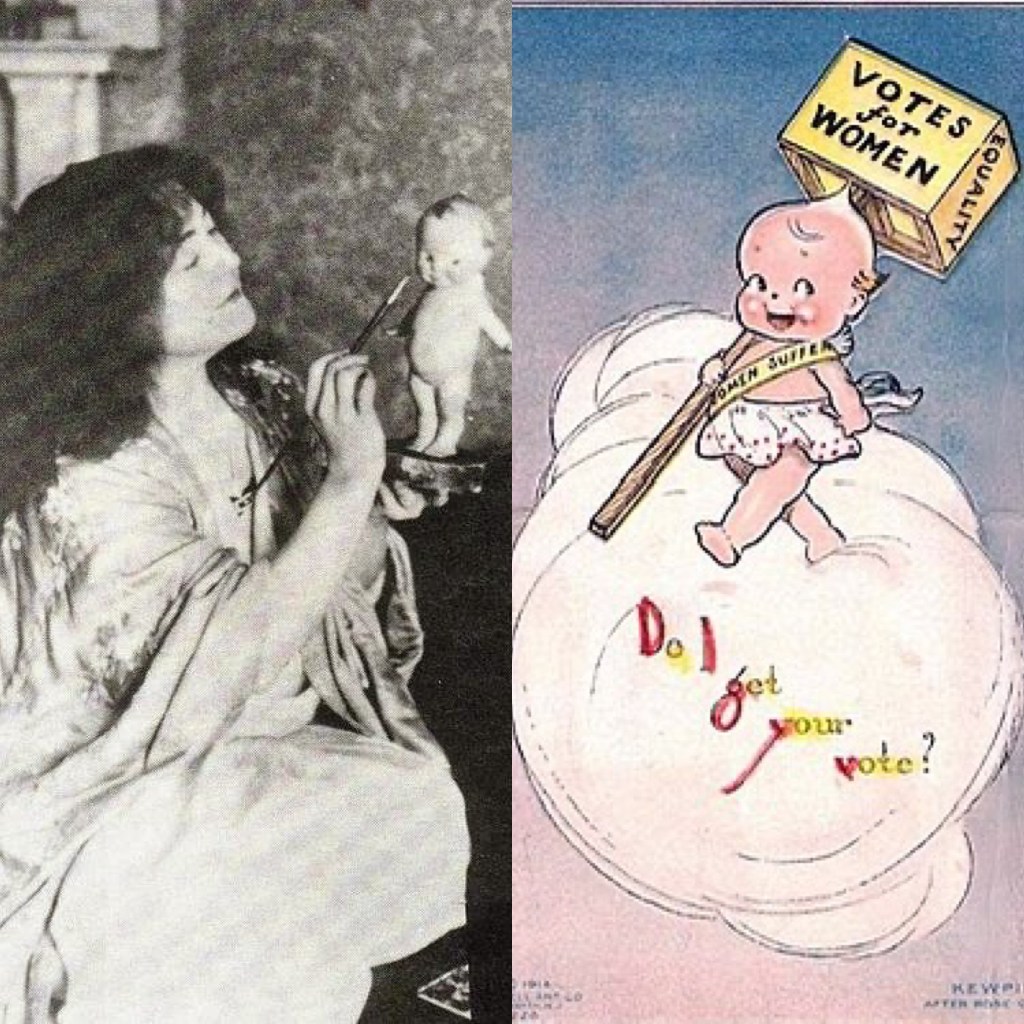
Illustrator and cartoonist Rose O’Neill created the Kewpies in 1909, first appearing in magazine
pages before leaping into postcards, books, and eventually some of the earliest mass-produced
character dolls. Before Mickey Mouse or Hello Kitty ever existed, O’Neill gave the world an
illustrated character who could live across multiple mediums.
O’Neill used them in suffrage imagery to blend sweetness with social messaging. As the
highest-paid female illustrator of her time, she paved the way for character licensing and
collectible design. If you’ve ever collected a vinyl figure, mascot toy, or blind-box character,
you’re living in the world O’Neill helped create.
2. Jackie Ormes:
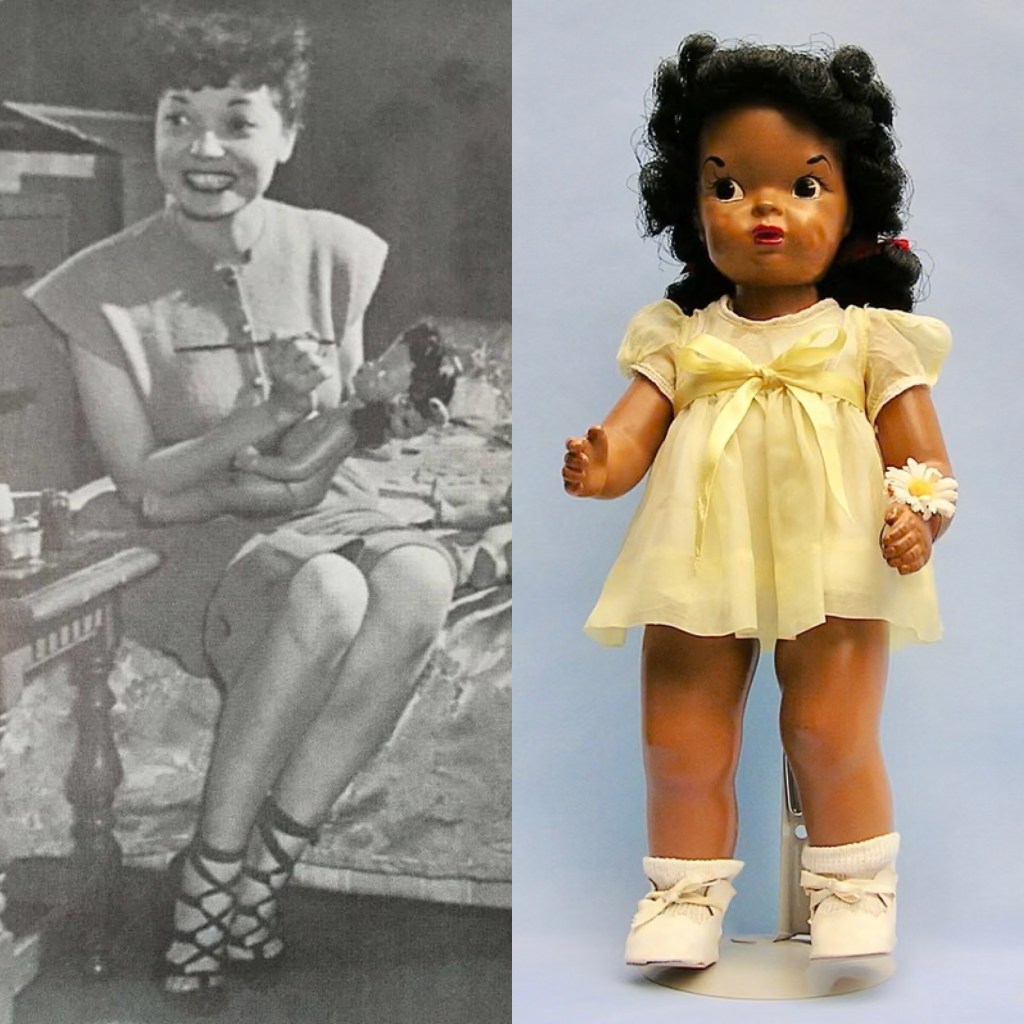
Jackie Ormes, the first Black woman cartoonist to be nationally syndicated in the United States,
brought style and social commentary to her groundbreaking comic strips in the ‘40s and ’50s.
Her strip Patty Jo ‘n’ Ginger for the Pittsburgh Courier led to Ormes’s partnering with the Terri
Lee Company to release the Patty-Jo doll, a stylish Black fashion doll in an era when most
Black dolls were harmful caricatures.
Ormes used both her comics and her doll designs to challenge stereotypes and broaden what
representation in toys could look like. Her art carved space for Black children to see themselves
reflected with joy and sophistication.
3. Margaret Evans Price:

In the early 1930s, children’s book illustrator Margaret Evans Price co-founded Fisher-Price and
became the company’s first art director. Her gentle, storybook-inspired drawings set the tone for
the brand’s earliest wooden pull toys, many of which featured her characters and fairytale
aesthetic.
Fisher-Price’s foundational principles centered on intrinsic play value, ingenuity, strong
construction, good value for the money, and action. The idea that early childhood toys should
feel warm and whimsical traces straight back to Price’s illustrations. Her influence still echoes in
Fisher-Price design language today, making her one of the quiet architects of American
childhood.
4. Martha Nelson Thomas:
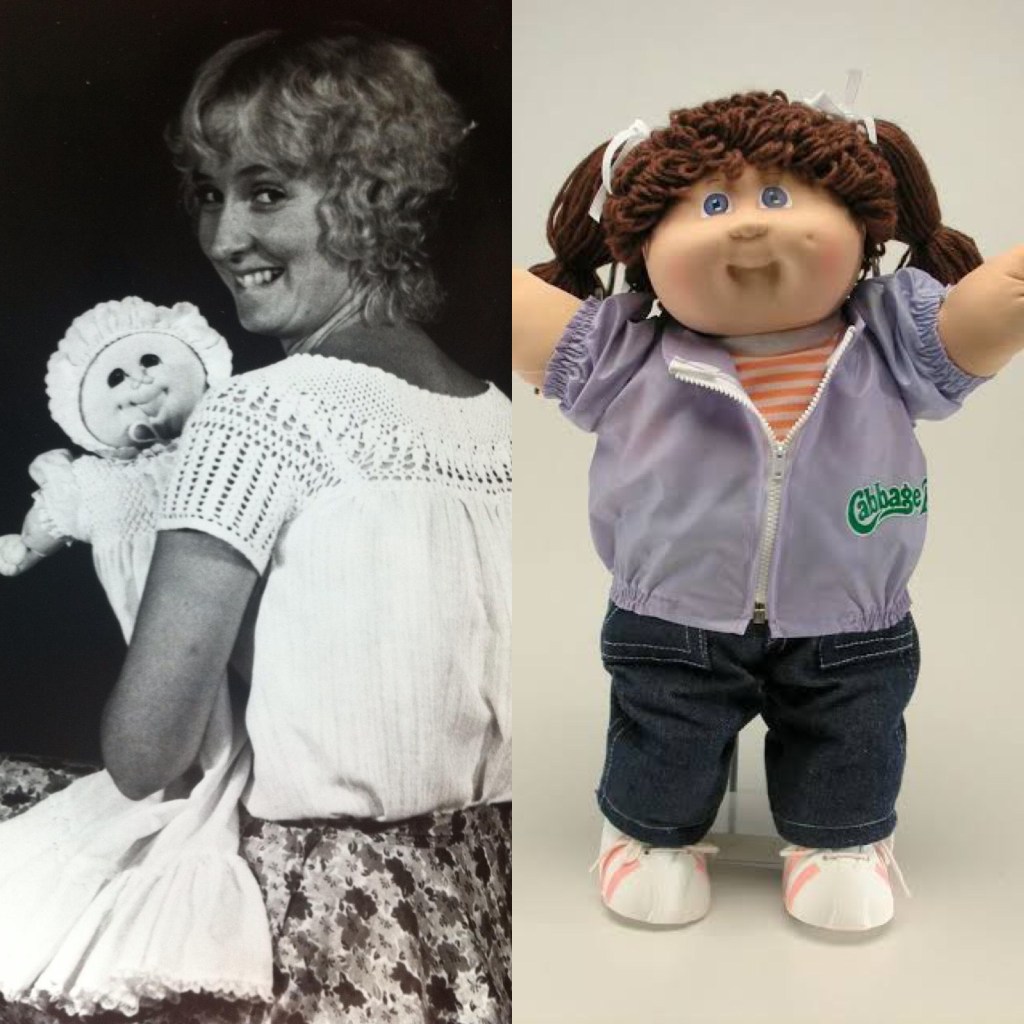
Martha Nelson Thomas was a Kentucky folk artist who began hand-sculpting soft “Doll Babies”
in the 1970s. Each doll was lovingly stitched and came with its own adoption certificate (sound
familiar?). Her work emphasized nurturing and emotional storytelling in a way mass-market toys
hadn’t yet embraced.
Xavier Roberts later commercialized the concept without her consent (I’ll be more blunt…he
stole it). Cabbage Patch Kids, the soft-sculpture babies craze of the 1980s owes everything to
Thomas’s warm, handmade vision. She introduced a new emotional blueprint for play, proving
that designing heart‐first can spark a toy phenomenon. Cabbage Patch Kids has gone on to sell
more than 130 million dolls in the 20th century, becoming one of the most successful toy lines of
all time.
5. Kitty Black Perkins:
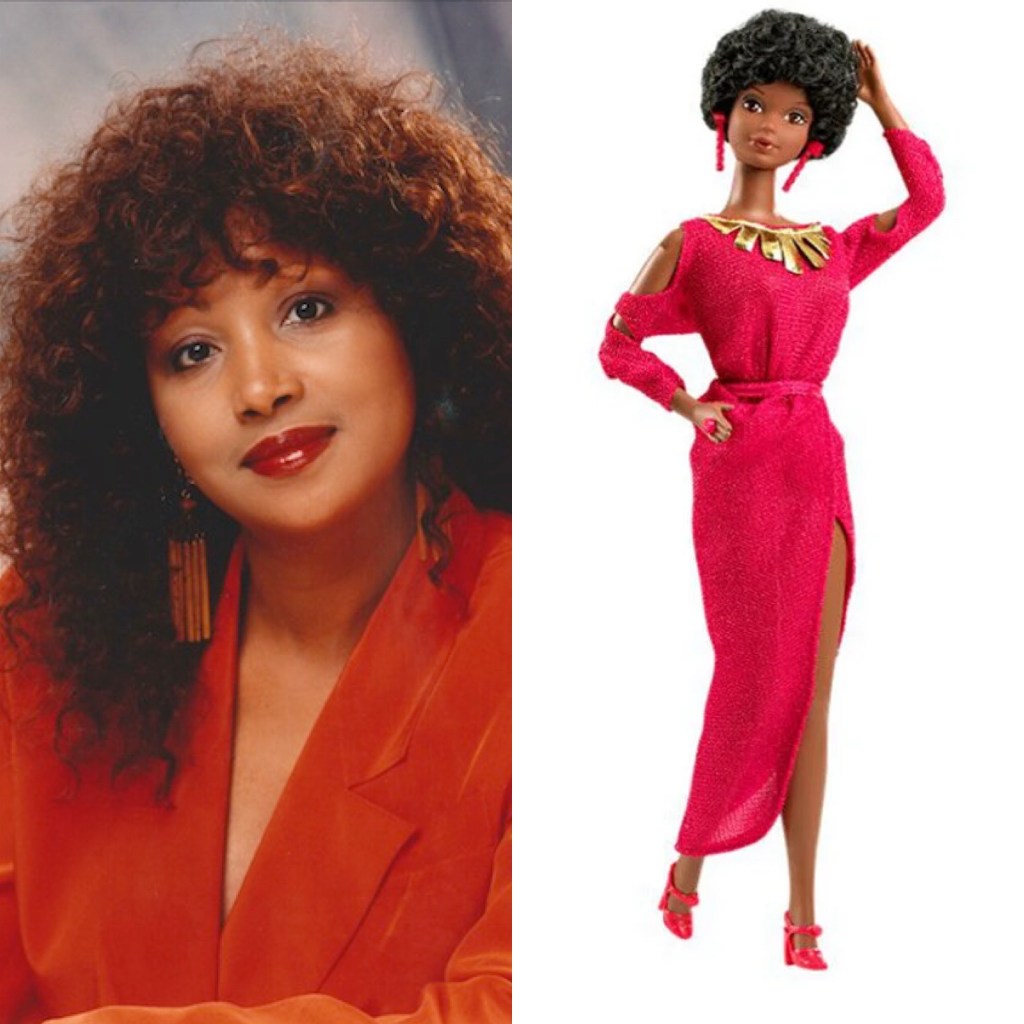
When Kitty Black Perkins joined Mattel in the 1970s, Barbie’s world lacked genuine
representation. As one of Mattel’s first Black fashion designers (and eventually Chief Designer
of Fashions & Collectibles) she changed that forever. Her most famous creation was the first
Black Barbie in 1980. Not a Black doll in Barbie’s universe, she was Black Barbie and featured
her own unique sculpt, natural hair, red gown, and an aesthetic rooted in Black beauty and
glamour.
Beyond that one historic doll, Perkins reshaped Barbie’s entire fashion direction during the late
’70s and ’80s. The sharp suits, metallic fabrics, dramatic silhouettes, and bold glam that defined
Barbie’s golden era? Kitty Black Perkins expanded Barbie’s universe and helped generations of
kids see a fuller, more exciting world reflected back at them.
These women all shared a belief that art could shape how children imagine, explore, and
understand the world. Their creative fingerprints are everywhere in modern play, from the dolls
kids cradle to the characters they collect.
If you’re interested in learning more, I’ve created videos on these women (and many other toy
stories!) on my social pages.
Instagram: @oceanna
TikTok: @oceanna

 ladycultblog